

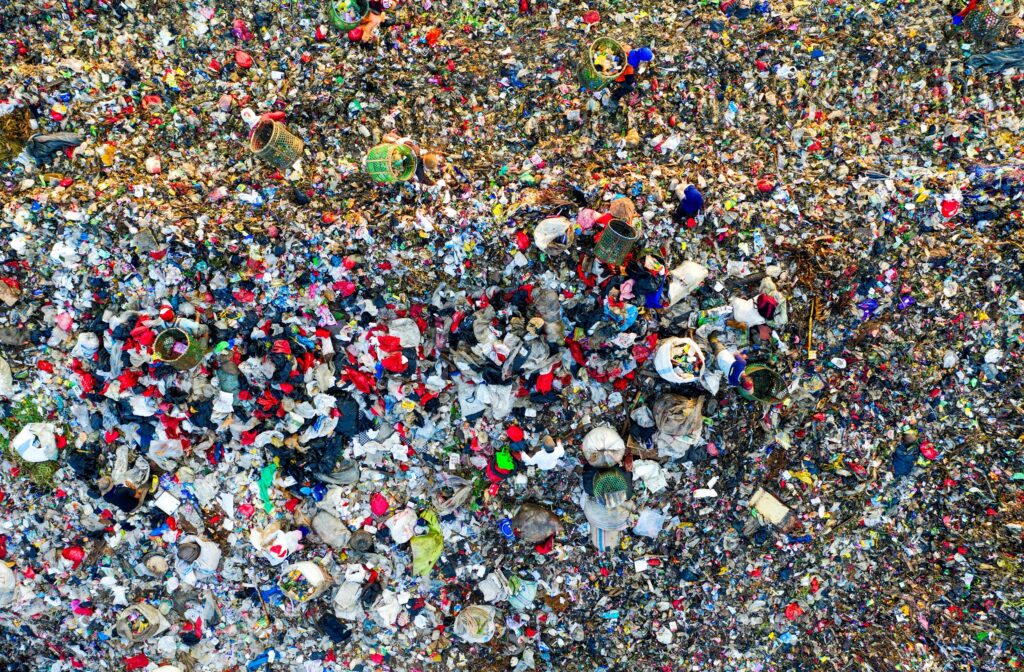
The rapid growth of urban centers across Africa has brought with it a daunting challenge: the management of plastic waste and urban waste. With cities generating increasing amounts of waste daily, the strain on already limited waste management infrastructure poses significant risks to public health, the environment, and economic development. At Obunji Group, we are committed to addressing this crisis by turning waste into a resource through sustainable, innovative, and inclusive waste management solutions.
The Dangers of Plastic and Urban Waste
- Environmental Degradation
Plastic waste, which takes hundreds of years to degrade, is choking ecosystems. It clogs waterways, pollutes soil, and endangers marine and terrestrial wildlife. - Health Hazards
Poor waste disposal leads to the proliferation of diseases. Stagnant water in waste sites becomes breeding grounds for mosquitoes, while burning plastic releases toxic fumes that harm respiratory health. - Economic Costs
Ineffective waste management reduces urban appeal, affecting tourism and investment. It also incurs costs for cleanup and lost productivity due to health issues. - Climate Impact
Decomposing organic waste in landfills releases methane, a potent greenhouse gas. Additionally, the production and incineration of plastic contribute significantly to carbon emissions.
Obunji Group’s Waste Management Objectives
At Obunji Group, we view waste as an opportunity to create economic value, protect the environment, and enhance the quality of urban life. Our objectives include:
- Promoting Recycling and Reuse
- Establishing community-driven recycling programs to reduce plastic waste.
- Encouraging the creation of products from recycled materials to foster a circular economy.
- Innovative Waste-to-Resource Solutions
- Investing in technologies like waste-to-energy plants to convert organic waste into bioenergy.
- Turning plastic waste into construction materials, such as eco-bricks for affordable housing.
- Public Awareness and Education
- Running campaigns to educate the public about the importance of proper waste disposal and reduction.
- Partnering with schools to instill eco-friendly habits in the next generation.
- Infrastructure Development
- Establishing efficient waste collection systems and sorting facilities.
- Deploying smart waste management technologies, such as IoT-enabled bins and tracking systems.
- Policy Advocacy and Collaboration
- Working with governments to implement stricter waste management regulations.
- Collaborating with private sector players and NGOs to scale up impact.
Our Vision: A Cleaner, Healthier Future
At Obunji Group, our waste management efforts align with our overarching vision of abundance and sustainability. We believe that with the right strategies, Africa’s waste crisis can become an opportunity to build thriving green economies, create jobs, and mitigate environmental risks.
By transforming waste into wealth and fostering collective responsibility, we are not just managing waste—we are creating a legacy of sustainability for future generations.
How You Can Get Involved
- Communities: Join our waste segregation programs and recycling initiatives.
- Businesses: Partner with us to adopt eco-friendly practices and sponsor green projects.
- Investors: Support innovative waste-to-resource technologies for scalable impact.
Together, we can create a cleaner, greener, and more sustainable Africa. 🌍♻️
Contact us today to learn more about our waste management projects or to collaborate with us.