

In the heart of Africa, where sprawling landscapes meet the vibrant pulse of its people, the need for sustainable energy solutions is more pressing than ever. Clean energy—renewable, accessible, and transformative—offers a pathway to empower rural communities, combat poverty, and ensure environmental sustainability. At Obunji Group, clean energy is not just an initiative; it is a cornerstone of our strategy to create abundance and improve lives across the continent.
The Energy Crisis in Rural Africa
Energy poverty is a significant challenge in Africa, particularly in rural areas where access to electricity remains limited. According to the International Energy Agency (IEA), nearly 600 million Africans—predominantly in rural regions—lack access to electricity. In Uganda, specifically, over 70% of the population lives without reliable electricity, with rural areas facing the brunt of this energy deficit. Traditional reliance on kerosene, firewood, and charcoal exacerbates health issues, deforestation, and greenhouse gas emissions, further entrenching rural communities in cycles of scarcity.
For Obunji Group, addressing this crisis is pivotal to our mission of transforming Africa from scarcity to abundance. By leveraging clean energy solutions, we aim to bridge the energy gap and unlock the immense potential of rural communities.
Obunji Group’s Clean Energy Vision
At Obunji Group, we envision a future where clean energy powers rural homes, businesses, and public services, creating a foundation for sustainable growth. Our approach centers on:
- Renewable Energy Solutions: Investing in solar, wind, and mini-hydro power projects tailored to rural needs.
- Energy Access for All: Expanding electrification through off-grid and micro-grid systems to reach the most remote areas.
- Sustainability and Affordability: Ensuring solutions are environmentally sustainable and financially accessible to communities.
Impacting Rural Lives through Clean Energy
Clean energy has the power to transform rural lives in profound ways. Here are key areas where the Obunji strategy will make a difference:
- Empowering Education
- Access to reliable electricity enables schools to use lighting, computers, and modern teaching tools, enhancing learning experiences.
- Solar-powered digital classrooms can bridge the education gap, providing students with access to online resources and global knowledge.
- Night-time study becomes possible, allowing students to prepare for exams and pursue academic excellence.
- Revolutionizing Healthcare
- Electrified rural clinics can operate advanced medical equipment, store vaccines, and provide essential services around the clock.
- Solar-powered refrigerators ensure the preservation of medicines and vaccines, critical for maternal and child health.
- Reliable energy reduces the need for healthcare workers to rely on dangerous kerosene lamps during emergencies.
- Fostering Economic Growth
- Clean energy enables the mechanization of agriculture, such as irrigation pumps and processing equipment, increasing productivity.
- Small businesses benefit from lighting, refrigeration, and connectivity, expanding economic opportunities.
- Local industries, such as grain mills and handicraft production, thrive with affordable and reliable energy.
- Enhancing Quality of Life
- Solar home systems provide lighting, reducing reliance on harmful kerosene lamps and improving indoor air quality.
- Electrification allows families to charge mobile phones, access entertainment, and connect with the world.
- Women and girls, often tasked with collecting firewood, are freed to pursue education and income-generating activities.
The Obunji Strategy: Key Initiatives
To achieve these outcomes, Obunji Group’s clean energy strategy focuses on the following initiatives:
- Solar Mini-Grids for Rural Communities
- Develop community-based solar mini-grids to provide electricity to villages, schools, and clinics.
- Partner with local governments and NGOs to identify high-impact areas and implement scalable solutions.
- Affordable Solar Home Systems
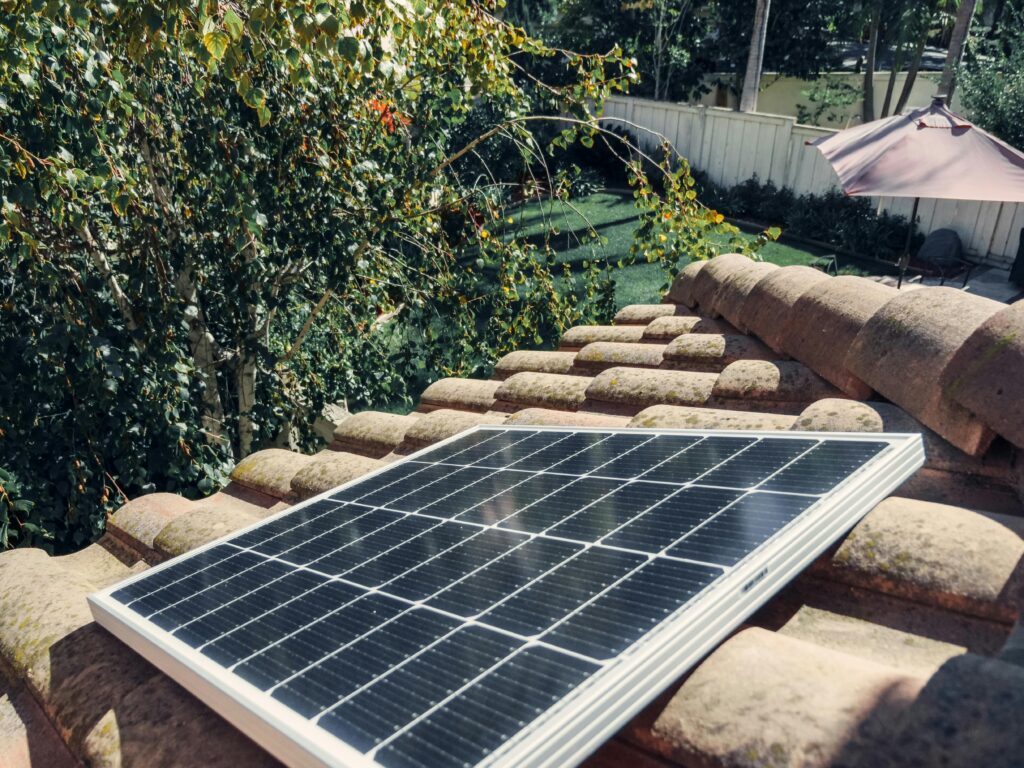
- Distribute affordable solar kits for households, including lights, chargers, and small appliances.
- Collaborate with microfinance institutions to offer flexible payment plans, ensuring affordability for low-income families.
- Renewable Energy Training and Employment
- Establish training programs to build a skilled workforce in renewable energy installation, maintenance, and management.
- Create jobs within local communities, fostering ownership and economic growth.
- Partnerships for Innovation
- Collaborate with technology companies to integrate advanced energy solutions like smart grids and battery storage.
- Leverage AI and IoT to optimize energy distribution and monitor system performance.
- Advocacy and Awareness
- Educate communities about the benefits of clean energy and the importance of sustainability.
- Promote policies that incentivize renewable energy investments and address barriers to rural electrification.
Challenges and Opportunities
Implementing clean energy solutions in rural Africa comes with challenges, including high initial costs, limited infrastructure, and cultural resistance to change. However, these obstacles are outweighed by opportunities to:
- Tap into abundant renewable resources, such as solar and wind.
- Create public-private partnerships that drive innovation and investment.
- Empower communities to take ownership of energy projects, ensuring long-term success.
Measuring Success
The success of Obunji Group’s clean energy initiatives will be measured by:
- Access Metrics: Number of households, schools, and clinics electrified.
- Economic Impact: Increase in household incomes and local business growth.
- Health and Education Outcomes: Reduction in respiratory illnesses and improved academic performance.
- Environmental Benefits: Reduction in carbon emissions and deforestation rates.
A Brighter Future for Rural Uganda and Beyond
Clean energy is more than a tool; it is a catalyst for transformation. Through the Obunji strategy, we are not only bringing light to rural homes but also illuminating pathways to education, healthcare, economic empowerment, and sustainable development. Starting in Uganda—where over 21 million rural residents live without reliable electricity—our pilot projects will serve as a model for regional expansion across Africa.
The journey begins now. Join us in our mission to power rural lives and create a brighter, sustainable Africa